
Discovering the Beauty of Bali and Its Top Tourist Attractions
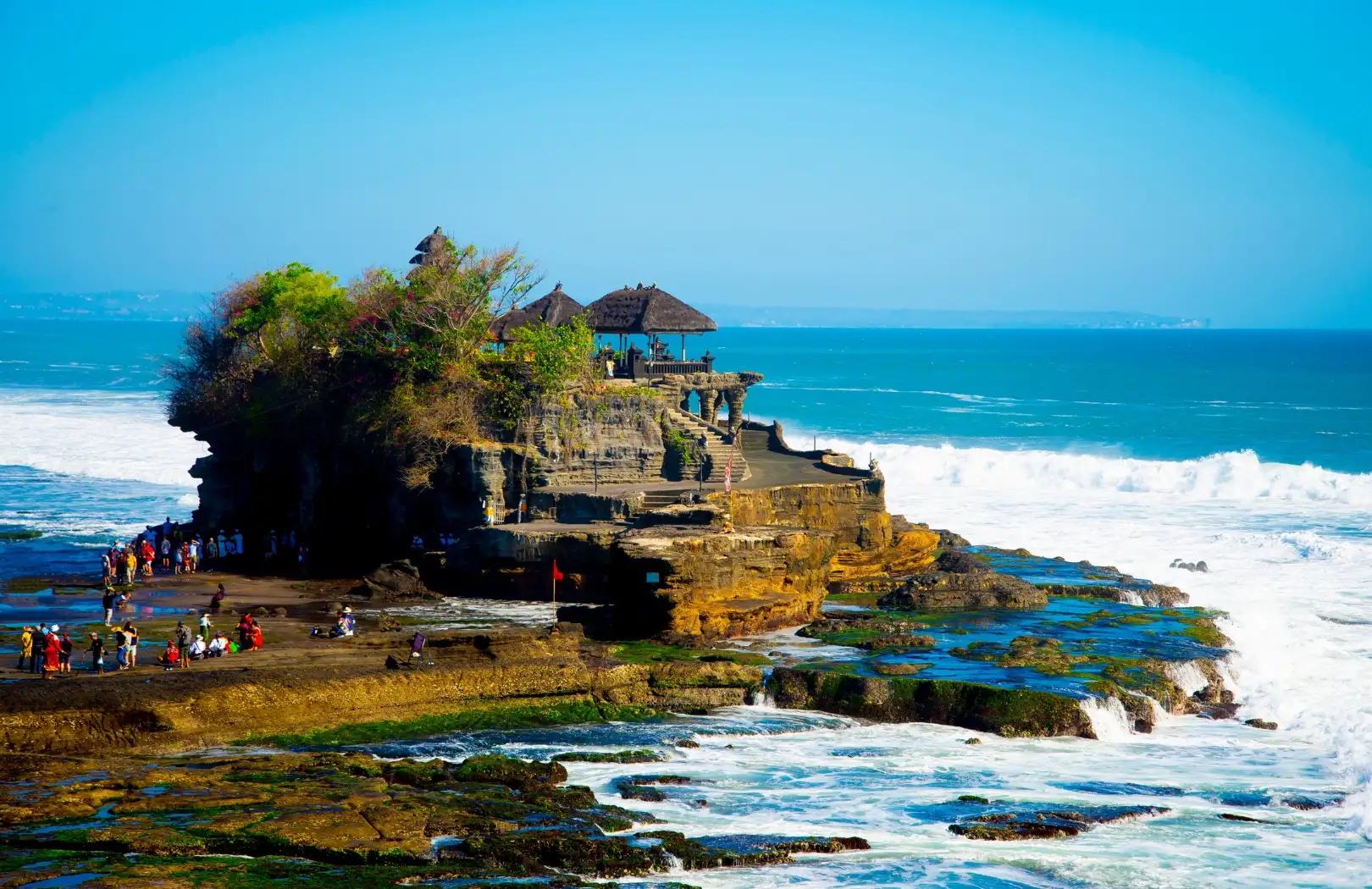
Bali is a destination where dramatic landscapes, spiritual traditions, tropical beaches, and welcoming local communities come together in one unforgettable journey. Often referred to as the Island of the Gods, this Indonesian island attracts travelers from around the world with its ancient temples, green rice terraces, volcanic mountains, lively coastal towns, and peaceful countryside.
Every part of Bali offers a different atmosphere. Visitors can spend the morning exploring a sacred temple, continue through beautiful rice fields, enjoy lunch overlooking a volcano, and end the day watching the sunset beside the ocean. This variety makes Bali suitable for couples, families, solo travelers, photographers, culture enthusiasts, and adventure seekers.
With so many destinations to choose from, planning a Bali itinerary can sometimes feel overwhelming. To help you decide where to go, here are some of the top tourist attractions in Bali that deserve a place on your travel list.
Uluwatu Temple
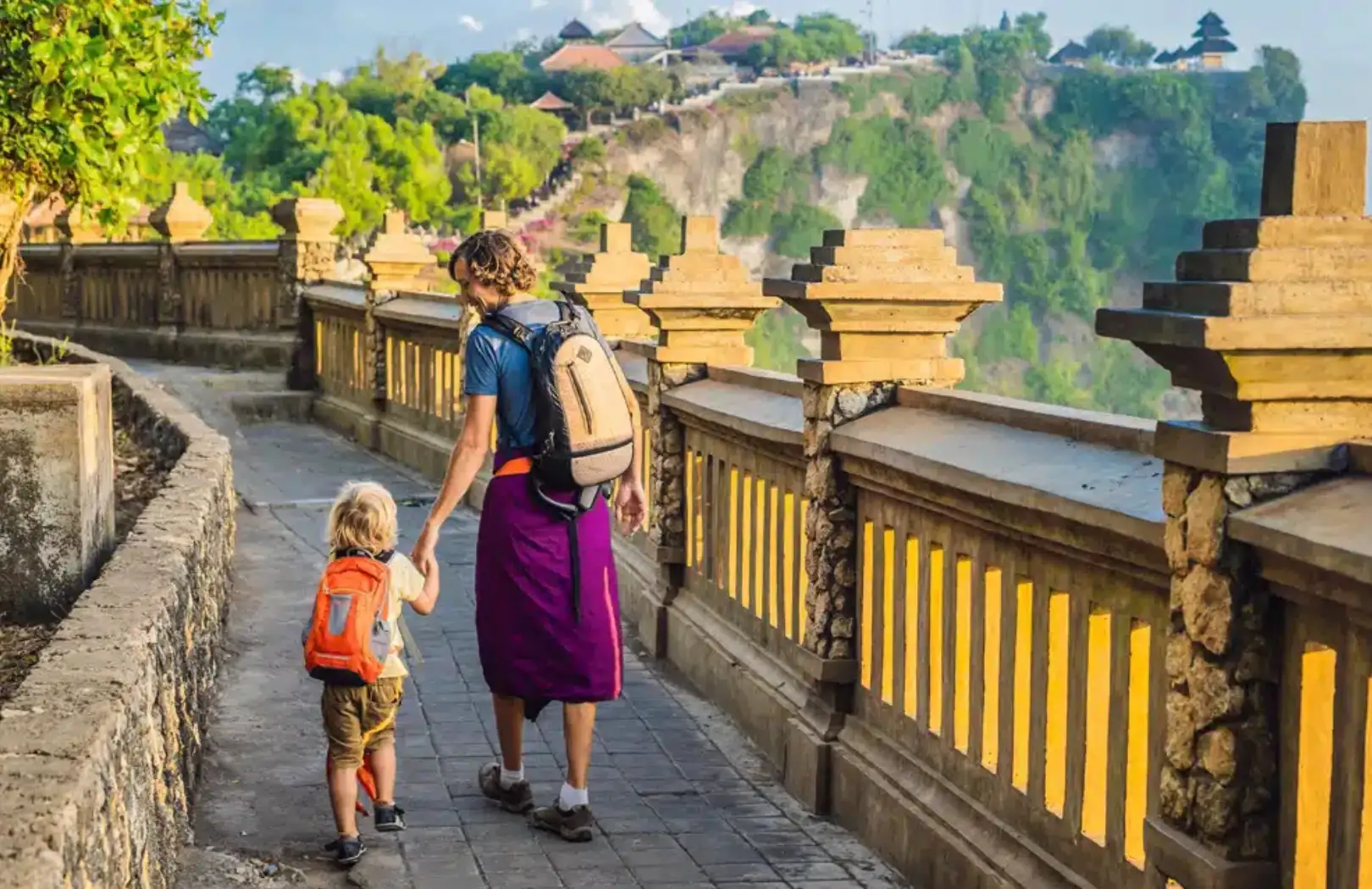
Uluwatu Temple is one of Bali’s most impressive sea temples. It stands on the edge of a high limestone cliff overlooking the Indian Ocean, creating spectacular views of the coastline and surrounding sea.
Visitors can walk along the cliffside pathways, explore the temple grounds, and enjoy the peaceful atmosphere of this important spiritual site. The temple is especially popular in the late afternoon when the sky begins to change color before sunset.
Uluwatu is also famous for its traditional Kecak dance performance. The show takes place in an open-air amphitheater and features rhythmic chanting, dramatic movements, fire, and scenes inspired by the Ramayana. Watching the performance while the sun sets over the ocean is one of Bali’s most memorable cultural experiences.
Monkeys live around the temple complex and occasionally take loose belongings. Visitors should keep sunglasses, hats, phones, and other personal items secure while exploring the area.
Tanah Lot Temple

Tanah Lot is another famous sea temple and one of Bali’s most photographed landmarks. The temple sits on a rocky formation near the coast and appears almost separated from the mainland when the tide is high.
The best time to visit Tanah Lot is generally in the late afternoon. From the surrounding viewpoints, visitors can admire the temple’s silhouette against the colorful evening sky. The combination of the temple, ocean waves, and sunset makes this destination especially popular among photographers.
The wider complex includes pathways, smaller shrines, shops, traditional markets, restaurants, and several scenic viewing areas. Although visitors cannot usually enter the temple’s main sacred section, they can walk around the coastline and experience the beauty of its unique offshore setting.
Tanah Lot can easily be included in a tour of western or central Bali, particularly when combined with rice terraces, local villages, or other cultural attractions.
Sacred Monkey Forest Sanctuary

Located in central Ubud, the Sacred Monkey Forest Sanctuary is one of the area’s most popular attractions. The sanctuary is home to Balinese long-tailed macaques and contains ancient temples, stone bridges, tropical trees, moss-covered statues, and shaded walking paths.
The forest is more than a place to observe monkeys. It is also an important spiritual, cultural, and conservation area managed by the local community. Its temples and natural surroundings reflect the close relationship between Balinese Hindu traditions and the environment.
Visitors should follow the sanctuary’s guidelines and avoid touching, feeding, or disturbing the monkeys. Bags should remain closed, and food should not be carried openly because the monkeys may try to take it.
Because of its convenient location, the Monkey Forest can be combined with Ubud Palace, Ubud Traditional Market, art galleries, cafés, and nearby craft villages.
Tegallalang Rice Terraces
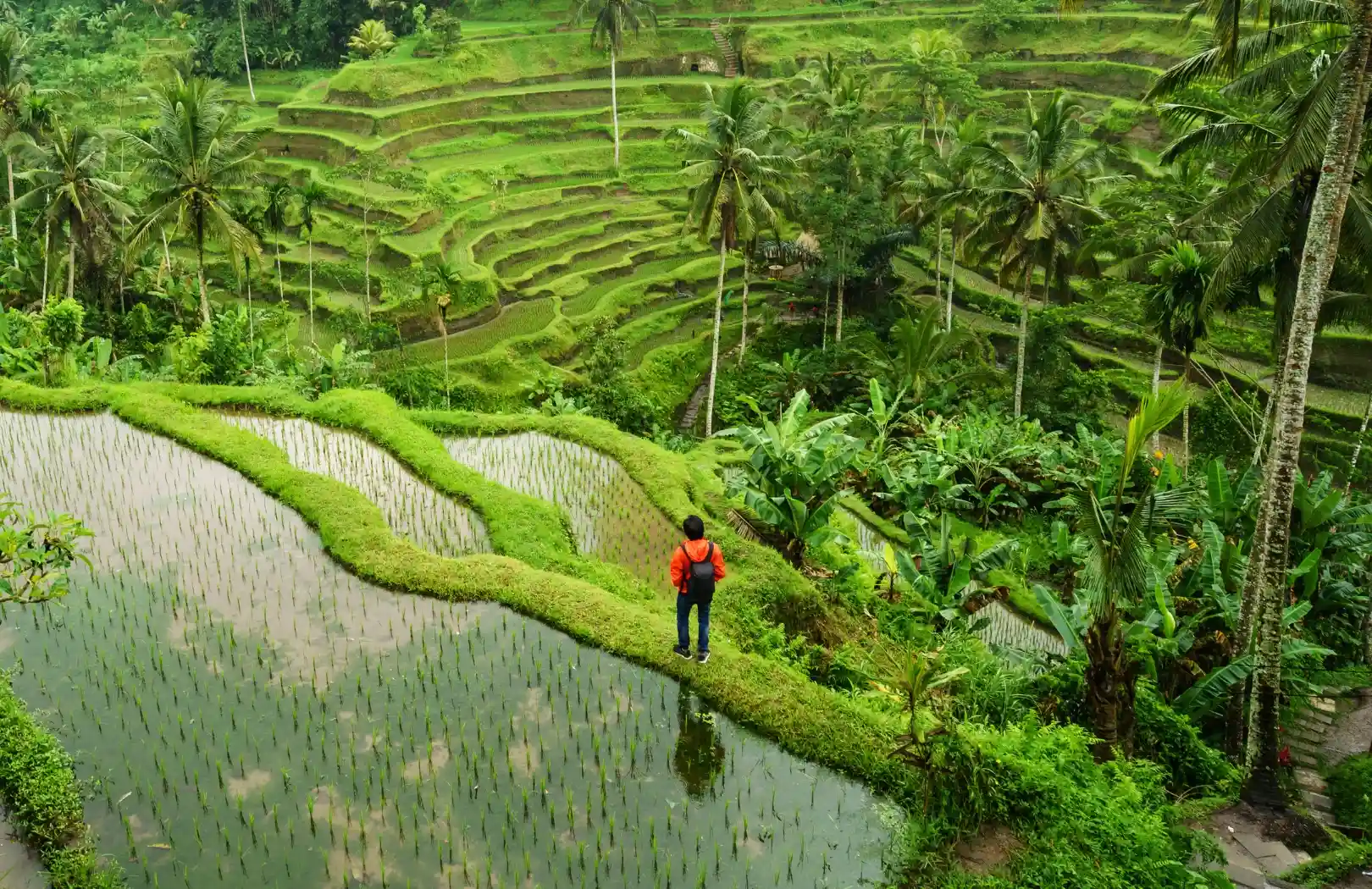
The Tegallalang Rice Terraces are famous for their beautiful layered fields and green valley scenery. Located north of Ubud, the terraces offer an opportunity to see traditional Balinese agriculture and the irrigation system locally known as subak.
Subak is more than an agricultural system. It reflects the Balinese philosophy of maintaining balance between people, nature, and spirituality. This traditional irrigation practice has played an important role in Bali’s farming communities for generations.
Visitors can enjoy the view from roadside cafés or walk along the narrow pathways between the fields. Some sections can be steep, uneven, or muddy, particularly during the rainy season, so comfortable footwear is recommended.
Early morning is often an ideal time to visit. The temperature is cooler, the light is softer for photography, and the area is usually quieter than later in the day.
Several cafés, swings, and photography areas can also be found nearby. However, travelers should remember that many sections remain active farmland and should always respect local farmers, crops, private property, and designated pathways.
Mount Batur
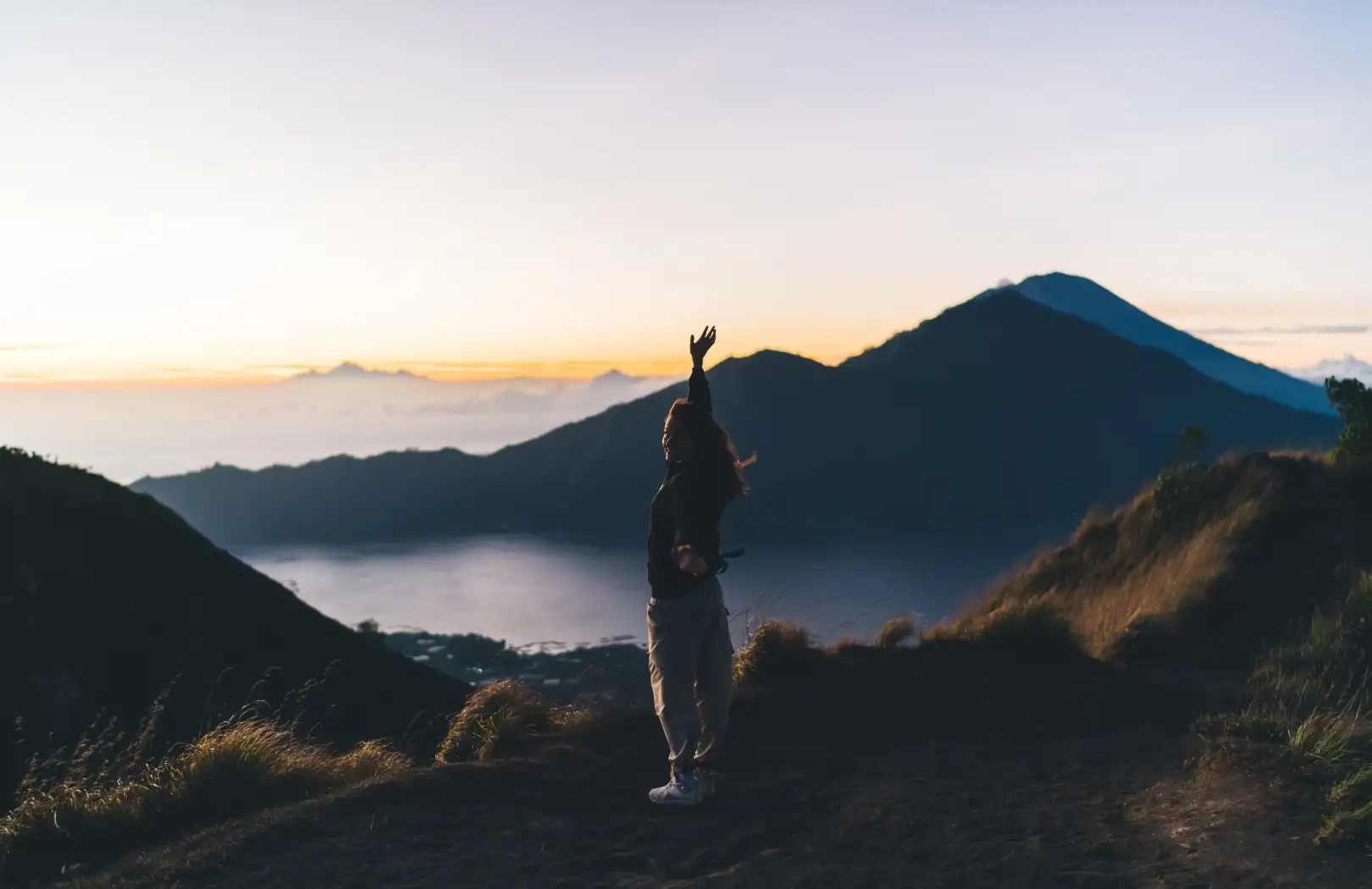
Mount Batur is one of Bali’s most popular destinations for adventure travelers. Located in the Kintamani region, this active volcano is widely known for its sunrise trekking experience.
Most treks begin early in the morning so hikers can reach the upper viewpoint before sunrise. As daylight begins to appear, visitors can enjoy panoramic views of Lake Batur, surrounding villages, volcanic landscapes, Mount Abang, and Mount Agung.
The trek is considered manageable for many travelers with a reasonable level of fitness, although the rocky and sandy terrain can still be challenging. Proper trekking shoes, warm clothing, drinking water, and assistance from an experienced local guide are strongly recommended.
Travelers who prefer not to hike can choose a Mount Batur sunrise jeep experience. This alternative allows visitors to enjoy the mountain atmosphere, watch the sunrise from a scenic viewpoint, and explore the black lava landscape without climbing to the summit.
After the sunrise experience, visitors can continue to a natural hot spring, coffee plantation, or restaurant overlooking Lake Batur.
Besakih Temple
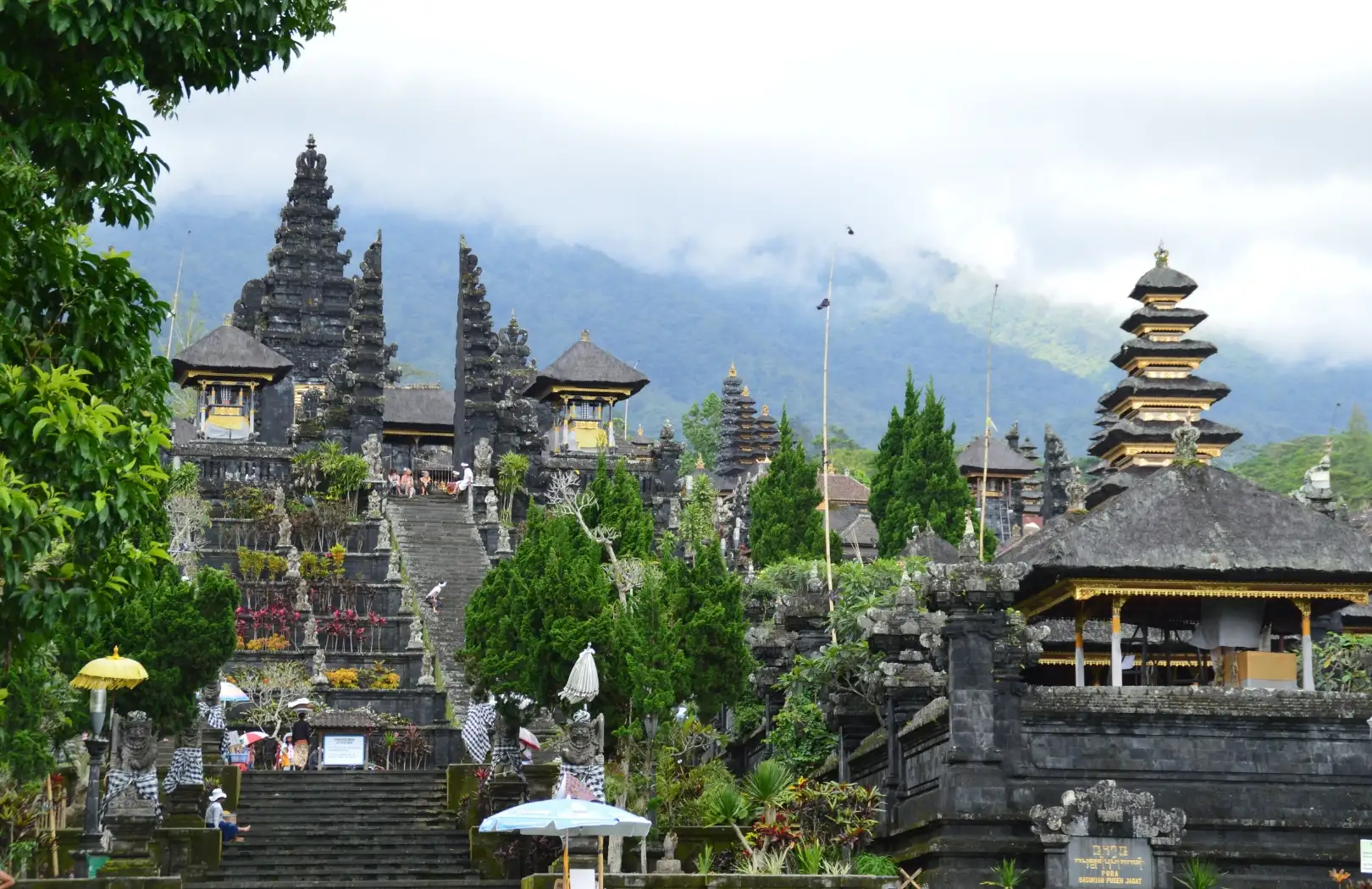
Besakih Temple, commonly called Bali’s Mother Temple, is the island’s largest and most important Hindu temple complex. It is located on the slopes of Mount Agung and consists of numerous temples, courtyards, stairways, shrines, and ceremonial spaces.
The elevated location provides beautiful views of the surrounding countryside. On clear days, Mount Agung creates a dramatic backdrop behind the temple buildings, making the complex even more impressive.
Visitors may also witness religious ceremonies and worshippers carrying traditional offerings. These moments provide meaningful insight into Balinese spiritual life. Travelers should remain respectful, avoid interrupting ceremonies, and wear appropriate temple clothing.
A sarong and sash are generally required when entering the temple area. Visitors should also follow instructions from temple staff and avoid entering areas reserved for worshippers.
Exploring Besakih with a knowledgeable local guide can make the visit more valuable because the complex has many levels, traditions, and symbolic elements that may not be immediately understood by first-time visitors.
Seminyak Beach
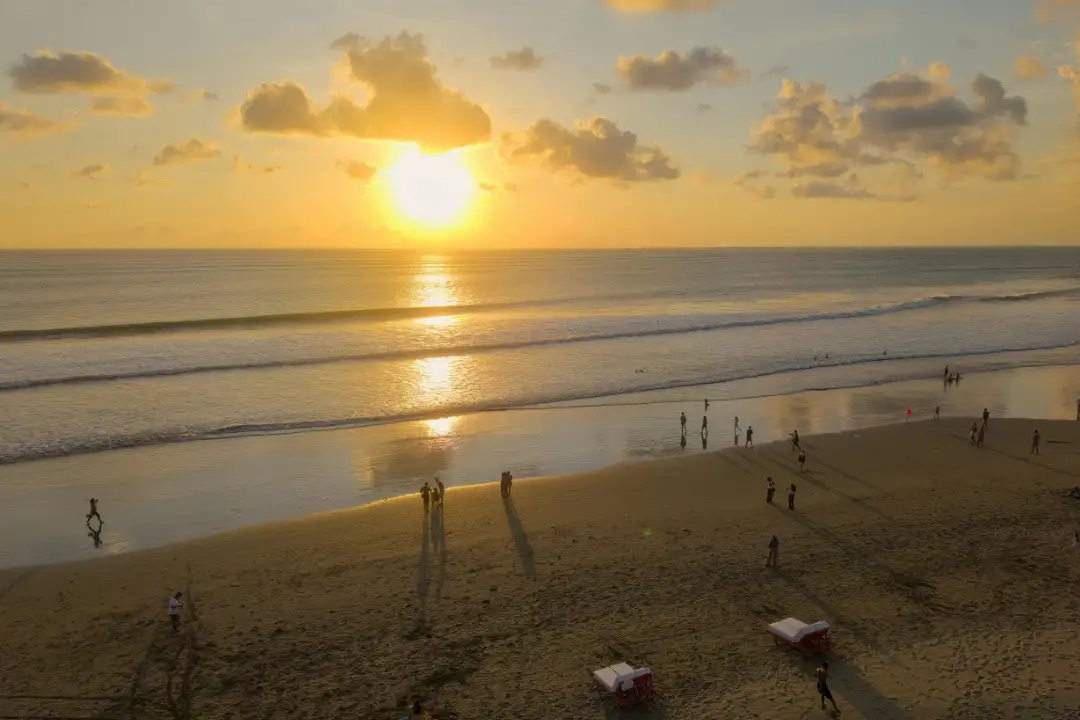
Seminyak Beach represents a more modern and fashionable side of Bali. The area is known for its long sandy coastline, luxury resorts, restaurants, boutiques, spas, beach clubs, and vibrant nightlife.
During the day, visitors can relax on the beach, browse local boutiques, enjoy a spa treatment, or dine at one of the area’s many international and local restaurants. In the late afternoon, people gather along the beachfront to watch the sunset while enjoying drinks or casual meals.
The beach is also popular for surfing, although conditions can vary depending on the season. Beginners should always choose a suitable area and follow the guidance of an experienced surf instructor.
Seminyak is a convenient base for travelers who want easy access to dining, shopping, entertainment, and wellness experiences. However, the area can become busy during peak travel periods. Visitors looking for a quieter atmosphere may prefer to stay elsewhere and visit Seminyak for a day or evening.
Nusa Penida

Nusa Penida is a rugged island located southeast of mainland Bali. It is famous for its dramatic cliffs, turquoise waters, hidden beaches, natural rock formations, and diverse marine life.
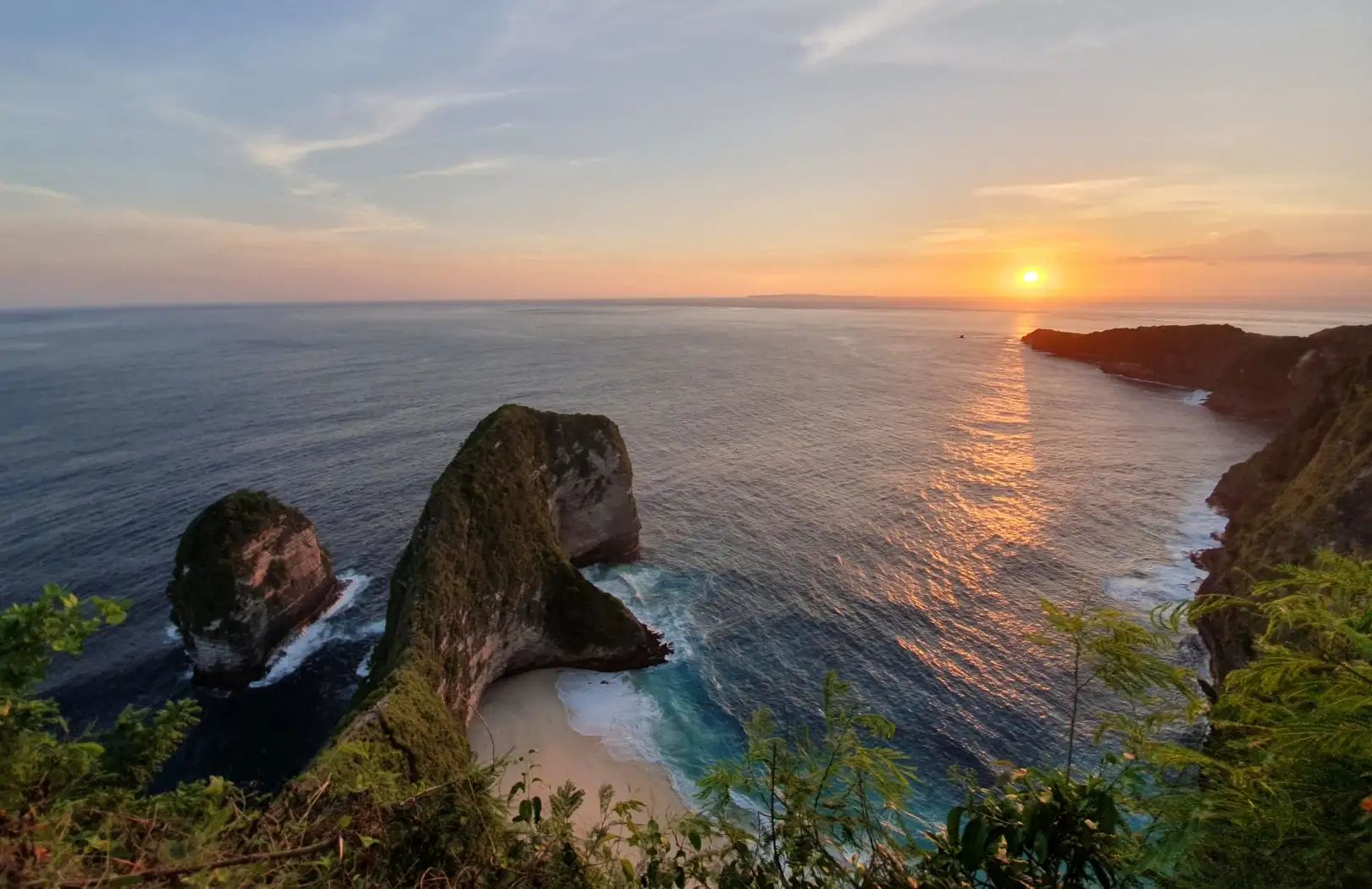
Some of its most popular attractions include Kelingking Beach, Broken Beach, Angel’s Billabong, Diamond Beach, Atuh Beach, and Crystal Bay. Kelingking Beach is particularly famous for its unusual cliff formation, which resembles the shape of a dinosaur.
Traveling around Nusa Penida can be more challenging than exploring mainland Bali. Roads are sometimes narrow and uneven, while journeys between attractions may take longer than expected. Some viewpoints also require visitors to walk across steep, rocky, or uneven terrain.
The island is an excellent destination for snorkeling and diving. Depending on weather and sea conditions, visitors may encounter coral reefs, colorful tropical fish, sea turtles, and manta rays.
A one-day tour is suitable for seeing several major attractions. However, staying overnight is recommended for travelers who want to explore the island at a more relaxed pace.
Goa Gajah
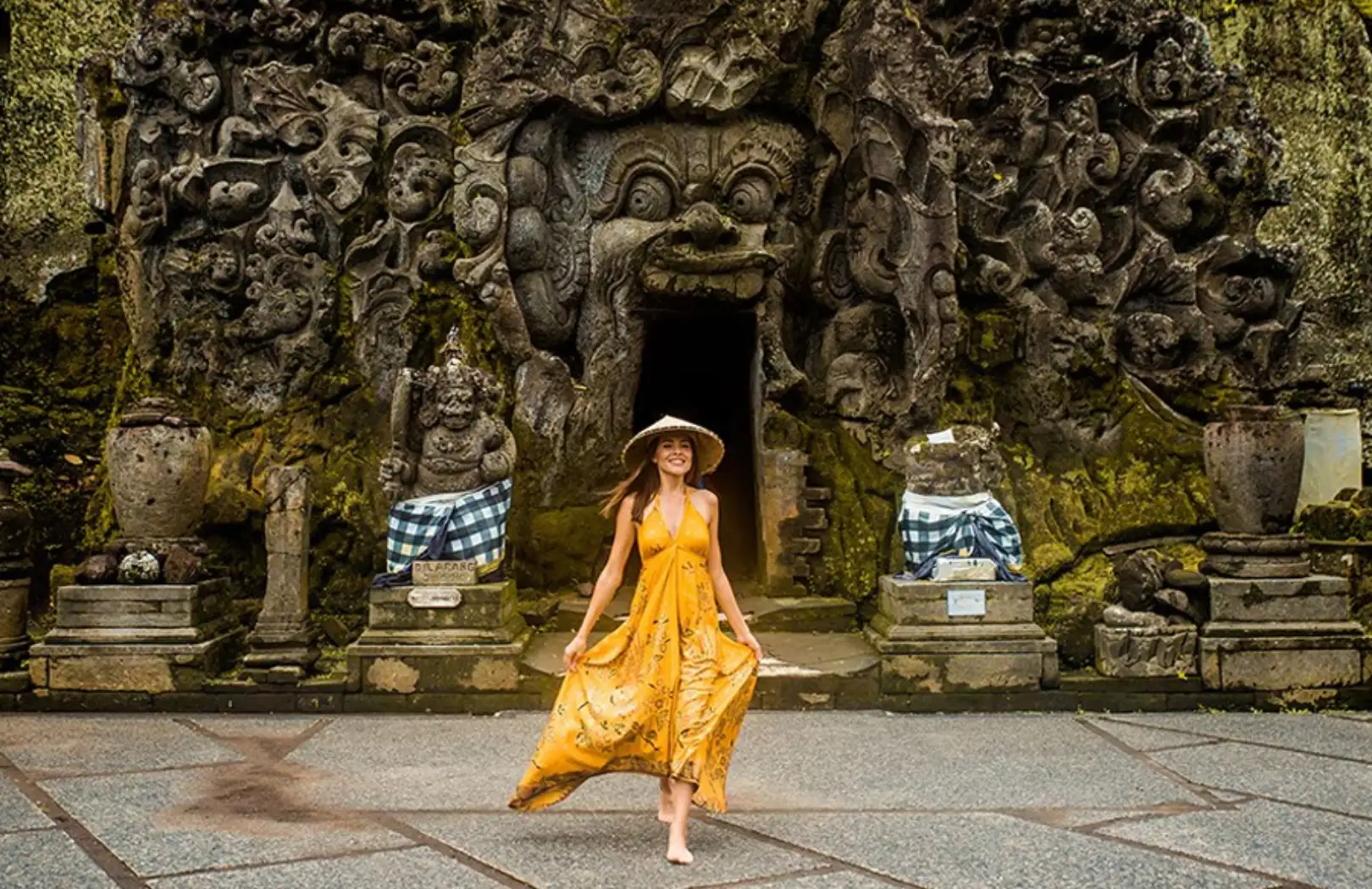
Goa Gajah, also known as the Elephant Cave, is an archaeological and spiritual site located near Ubud. Its most recognizable feature is the intricately carved entrance to a small cave that was historically used for meditation.
Inside the cave, visitors can see religious objects and areas connected to spiritual practices. The surrounding complex contains ancient bathing pools, stone remains, shrines, gardens, fountains, and pathways leading toward a peaceful river valley.
Despite its English name, the attraction is not connected to living elephants. The origin of the name remains connected to interpretations of the site’s history and ancient symbolism.
Goa Gajah combines elements associated with Hindu and Buddhist traditions, reflecting an important part of Bali’s religious history. Its shaded gardens and historic structures create a calm atmosphere away from the busier streets of central Ubud.
The site can conveniently be combined with traditional villages, waterfalls, rice terraces, and other temples around Ubud.
Bali Safari and Marine Park
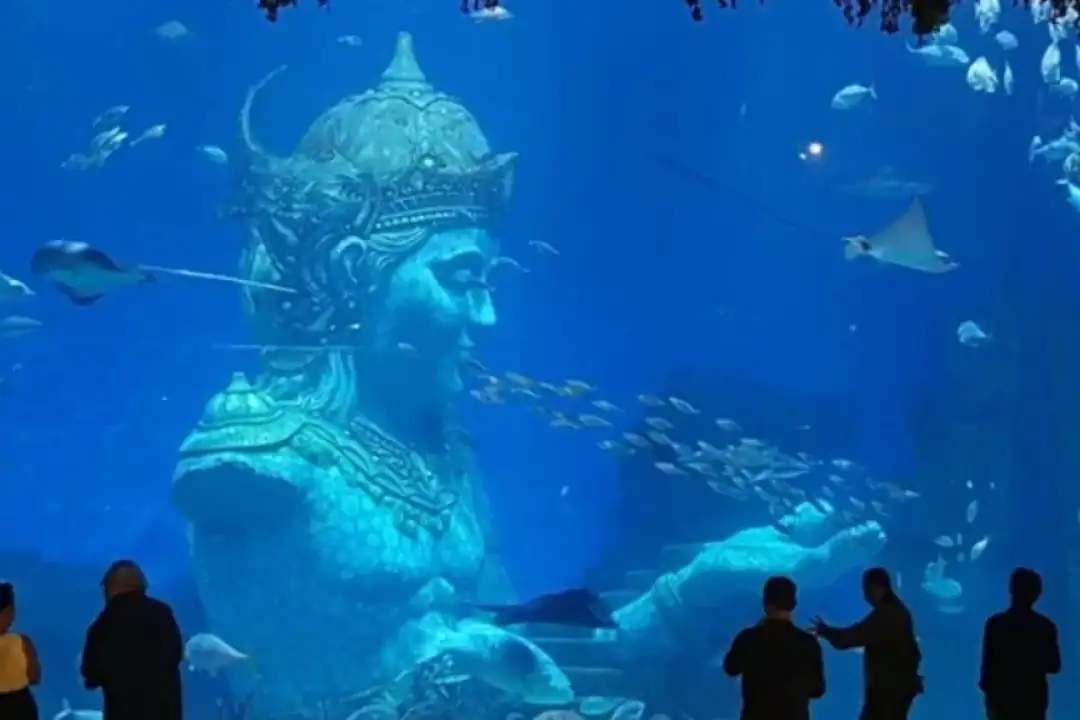
Bali Safari and Marine Park is a family-friendly destination featuring wildlife from Indonesia and other regions of the world. Visitors can join a safari journey through specially designed habitats and observe various animals from the comfort of a vehicle.
The park is home to many animal species and provides educational experiences related to wildlife and conservation. It also offers cultural entertainment, animal presentations, and activities suitable for both children and adults.
Since the park covers a large area, visitors should allow several hours to explore it properly. Checking the daily schedule before beginning the visit can help families plan around presentations, feeding sessions, and special activities.
Comfortable clothing, sun protection, suitable walking shoes, and drinking water are recommended. The attraction is ideal for families who want to combine entertainment with an opportunity to learn more about wildlife.
Tips for Planning Your Bali Tour
Bali’s attractions are spread across different regions, so organizing destinations according to location will make the journey more comfortable and efficient. Trying to visit places that are far apart on the same day can result in too much time being spent on the road.
Ubud Monkey Forest, Tegallalang Rice Terraces, and Goa Gajah can be combined into one central Bali itinerary. Uluwatu Temple works well with southern beaches and an evening Kecak performance. Tanah Lot can be included in a western Bali route, while Mount Batur is best planned as a dedicated sunrise experience.
Travelers should carry comfortable footwear, sun protection, drinking water, and modest clothing for temple visits. A sarong and sash are commonly required when entering sacred areas.
Starting tours early can help visitors avoid heavier traffic, larger crowds, and the hottest part of the day. Traveling with a private driver also provides greater flexibility because the itinerary can be adjusted according to your interests, available time, and travel conditions.
Explore Bali with Margaya Bali Tour
Bali is more than a collection of famous tourist attractions. Its true beauty can be found in the connection between nature, spirituality, culture, and everyday local life. Taking enough time to appreciate each destination will create a more meaningful and memorable journey.
Margaya Bali Tour can help arrange comfortable transportation and personalized private tours based on your interests, available time, and preferred destinations. Whether you want to discover sacred temples, explore the cultural heart of Ubud, watch the sunrise from the mountains, visit the dramatic coastline of Nusa Penida, or relax beside the ocean, your Bali itinerary can be adjusted to create the right experience for you.
Start planning your Bali journey with Margaya Bali Tour and discover the culture, landscapes, and unforgettable attractions that make the Island of the Gods one of the world’s most remarkable travel destinations.
Latest Article



Bali Tour Frequently Asked Questions
Margaya Bali Tour offers private Bali tour packages, Nusa Penida day trips, Mount Batur sunrise experiences, private car charter services, and one-way airport transfers with professional local drivers.
Yes. Our tours are private, allowing you to travel only with your partner, family, or group. This provides greater comfort, flexibility, and a more personalized Bali travel experience.
Yes. Private car charter services offer flexible itineraries based on your preferred destinations and booked duration. Fixed tour packages may also be adjusted when possible, depending on travel time and local conditions.
Inclusions vary by package. Most tours include private transportation, an English-speaking driver, fuel, parking fees, hotel pick-up and drop-off, and bottled mineral water. Some packages also include entrance tickets, meals, guides, or activity tickets.
Some all-inclusive packages include entrance tickets and meals, while transport-only tours may not. Please check the Include and Exclude sections of each package before booking.
Hotel pick-up is available from many popular Bali areas, including Kuta, Legian, Seminyak, Canggu, Sanur, Jimbaran, Nusa Dua, Ubud, and selected surrounding locations. Additional charges may apply for remote areas.
You can contact Margaya Bali Tour through WhatsApp and provide your travel date, hotel location, number of guests, preferred package, and any special requests. Our team will confirm availability and booking details.
Yes. We provide private one-way airport transfers between I Gusti Ngurah Rai International Airport and destinations across South, Central, North, and East Bali using small cars or Hiace vehicles.
Yes. Small cars are suitable for solo travelers, couples, families, and groups of up to four guests. Hiace vehicles are available for larger groups of approximately five to ten passengers.
Tour itineraries may be adjusted due to rain, sea conditions, traffic, temple ceremonies, or safety concerns. Our team will recommend the safest and most suitable alternative whenever possible.