
A Magical Bali Journey Through Culture, Nature, and Unforgettable Views
Some travel experiences remain in your memory long after the journey has ended. They are not always defined by the number of destinations visited, but by the way each place connects to the next and gradually reveals the character of a destination.
This full-day Bali journey brings together four different experiences in one carefully arranged itinerary: a traditional Barong Dance performance, the archaeological atmosphere of Goa Gajah, the volcanic scenery of Kintamani, and the peaceful beauty of Bali’s rice terraces.
The route is ideal for travelers who want to experience more than beaches. It introduces Bali through its performing arts, spiritual heritage, mountain landscapes, and traditional agricultural culture. Each stop offers something different, yet together they create a balanced journey through the cultural and natural heart of the island.
With private transportation from Margaya Bali Tour, the itinerary can be enjoyed comfortably and adjusted according to your pace, interests, and available time.
Beginning the Day with the Barong Dance
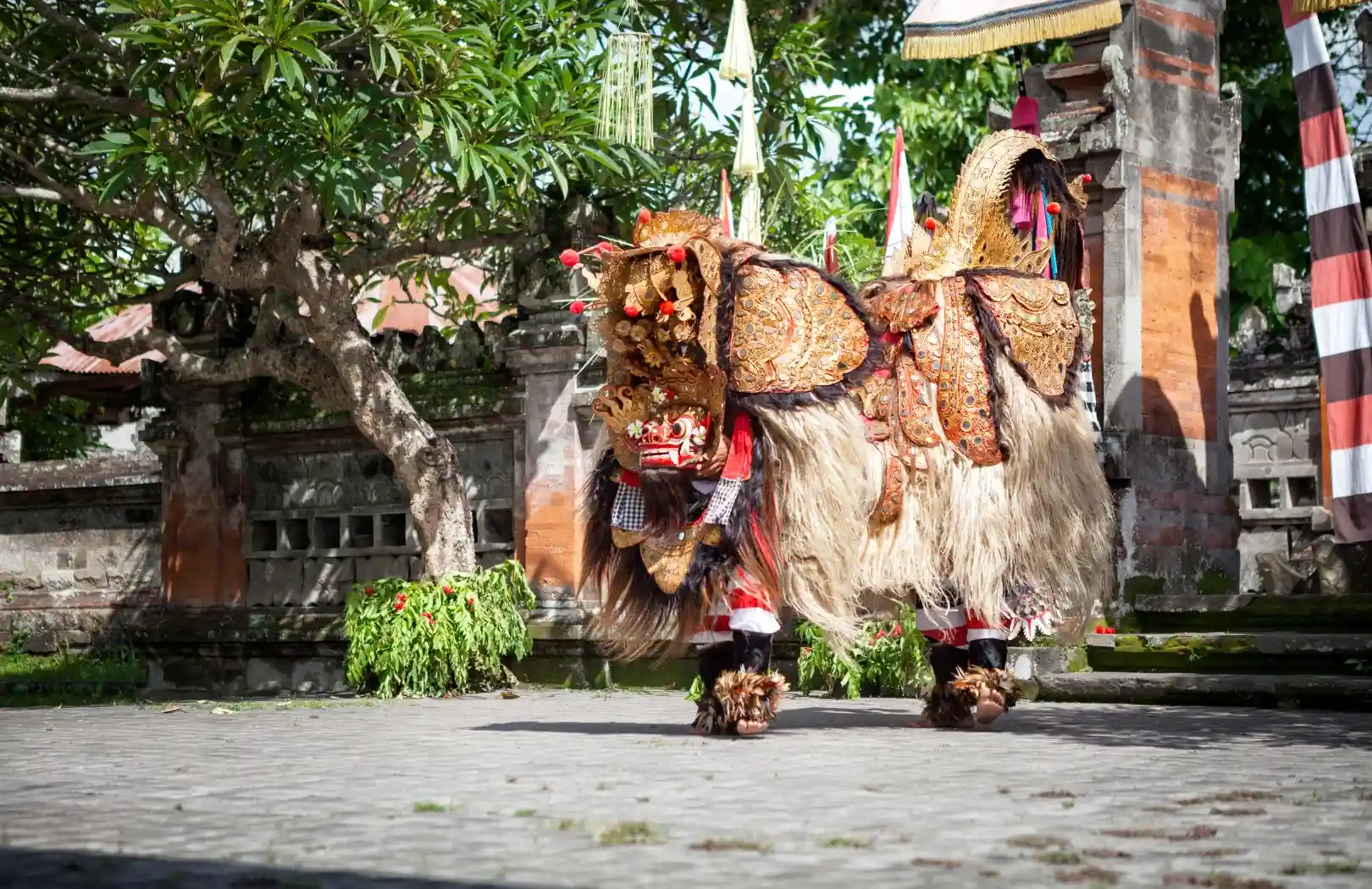
The journey begins with one of Bali’s most recognizable cultural performances, the Barong and Keris Dance. This traditional dance presents the continuing struggle between positive and destructive forces through expressive movement, elaborate costumes, dramatic characters, and the powerful sound of a live gamelan orchestra.
Barong is traditionally seen as a protective figure associated with goodness, while Rangda represents dangerous and destructive forces. Their confrontation is not simply presented as a story in which one side permanently defeats the other. Instead, it reflects the Balinese understanding that opposing forces remain part of life and must be kept in balance.
The Barong costume is one of the most captivating parts of the performance. It is usually operated by two dancers who coordinate their movements to create the impression of a single living creature. Detailed decorations, expressive eyes, layered fabrics, and energetic gestures bring the character to life.
The performance also introduces visitors to traditional storytelling. Music, dance, humor, spiritual symbolism, and theatrical scenes are combined to communicate ideas that have been shared across generations. Regular performances are particularly well known in the Batubulan area of Gianyar, making this a convenient first stop when traveling toward Ubud and Kintamani.
For first-time visitors, the Barong Dance provides an engaging introduction to Bali’s cultural identity before the journey continues into the island’s historical and natural landscapes.
Exploring the Ancient Atmosphere of Goa Gajah
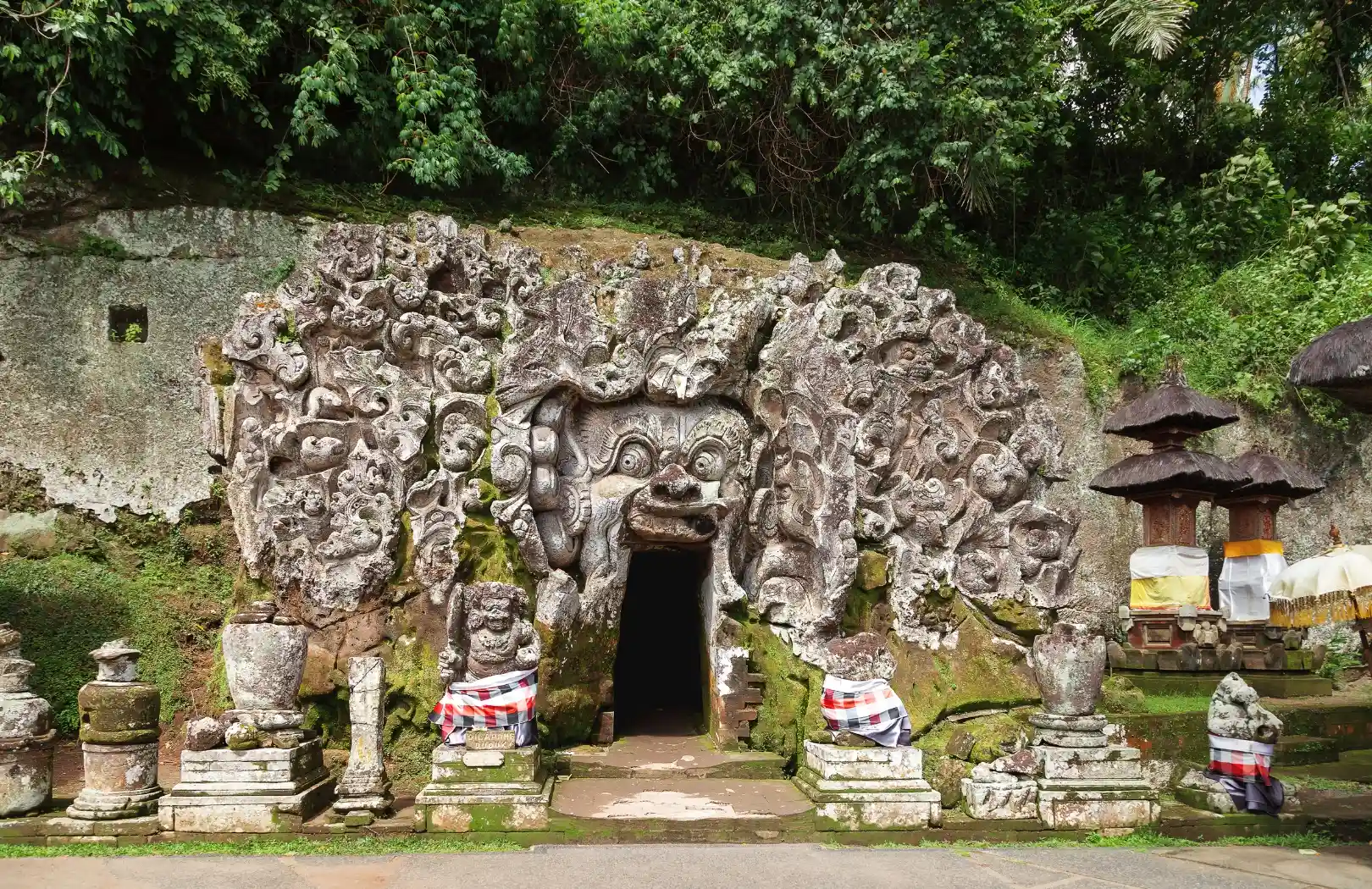
After the performance, the journey continues to Goa Gajah, commonly known as the Elephant Cave. Located in Bedulu Village in Gianyar Regency, this archaeological and sacred site offers a quieter atmosphere surrounded by stone structures, tropical vegetation, and traces of Bali’s spiritual past.
The most recognizable feature is the carved entrance of the cave. Its dramatic stone face surrounds a dark doorway, creating the impression that visitors are entering through the mouth of a mysterious creature. Inside, the cave is relatively small and contains niches and sacred objects linked to historical religious practices.
Despite its English name, Goa Gajah is not an attraction involving elephants. The name is connected to historical and symbolic interpretations of the site rather than living animals.
Outside the cave, visitors can explore ancient bathing pools with stone fountains, temple courtyards, gardens, and pathways leading toward a green valley. The combination of archaeological remains and active religious use gives the destination a different character from an ordinary historical monument.
The temple layout follows the traditional Balinese concept of dividing a sacred site into different courtyard levels. Cultural heritage records describe Goa Gajah as having areas corresponding to the outer, middle, and innermost sacred zones found in many Balinese temple complexes.
Visitors should wear a sarong and sash, speak quietly, and avoid entering restricted areas. Goa Gajah remains a place of worship, so ceremonies and prayer activities should always be treated respectfully.
Taking time to walk through the lower gardens is highly recommended. The shaded paths, stone remains, water features, and surrounding trees create a calm setting that contrasts beautifully with the lively energy of the Barong performance.
Traveling into the Highlands of Kintamani
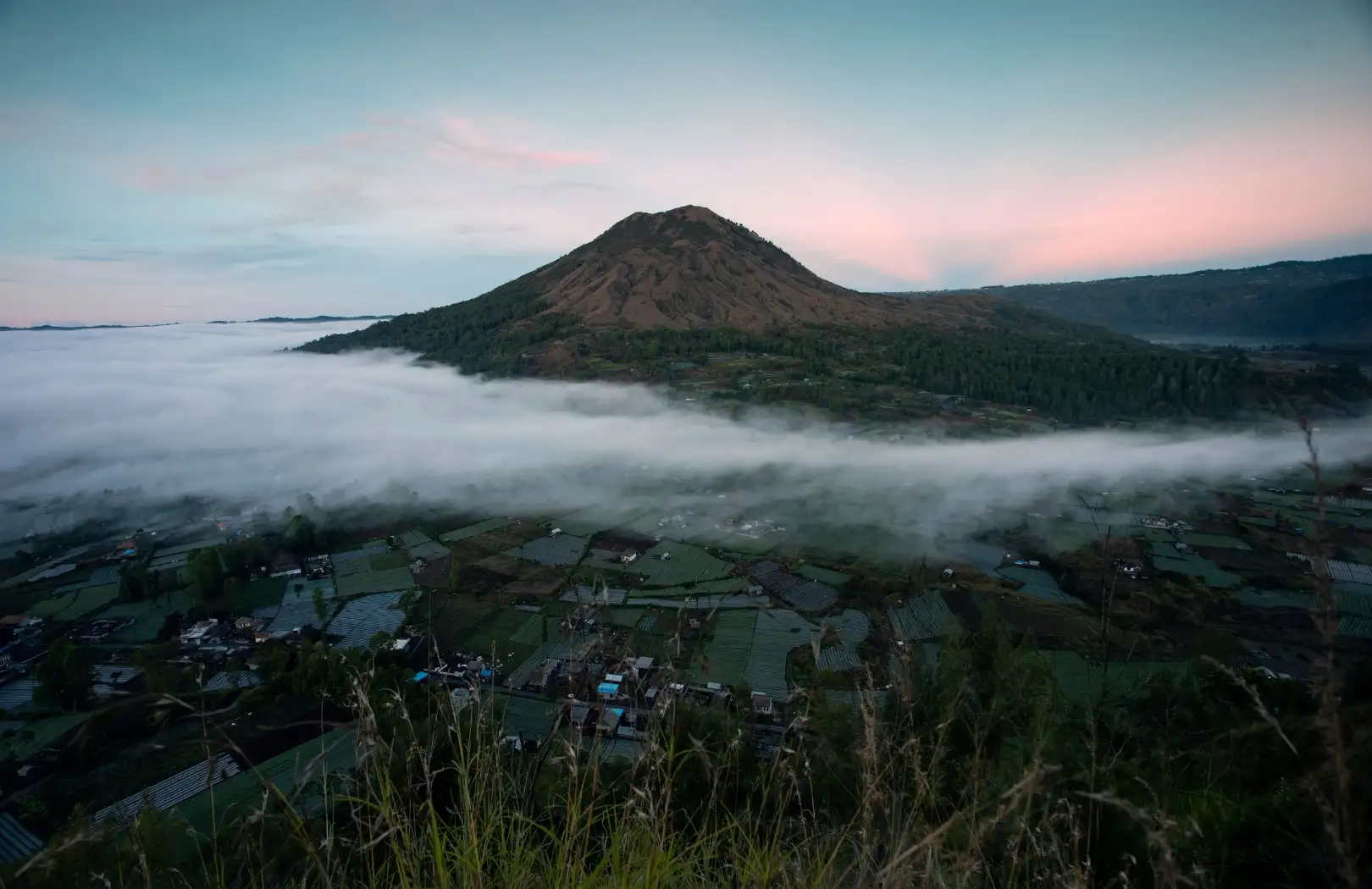
Leaving the Ubud region behind, the route gradually climbs toward the highlands of Kintamani in Bangli Regency. The air becomes cooler, the roads pass through villages and agricultural areas, and the scenery begins to open toward one of Bali’s most impressive volcanic landscapes.
Kintamani is best known for panoramic views of Mount Batur and Lake Batur. The lake is the largest volcanic lake in Bali and lies within the wide caldera landscape that defines the region.
From selected viewpoints and restaurants along the caldera rim, visitors can admire the dark volcanic slopes of Mount Batur, the blue surface of the lake, surrounding mountains, and settlements spread across the valley below.
The landscape seen today has been shaped by volcanic activity over a very long period. Batur Geopark became Indonesia’s first area included in the UNESCO Global Geoparks network in 2012, recognizing its geological importance and distinctive volcanic scenery.
For many travelers, this is the visual highlight of the day. The wide view feels very different from Bali’s coastal areas and dense tropical villages. It reveals a more dramatic side of the island shaped by mountains, lava, water, and changing weather.
Enjoying Lunch with a Volcanic View
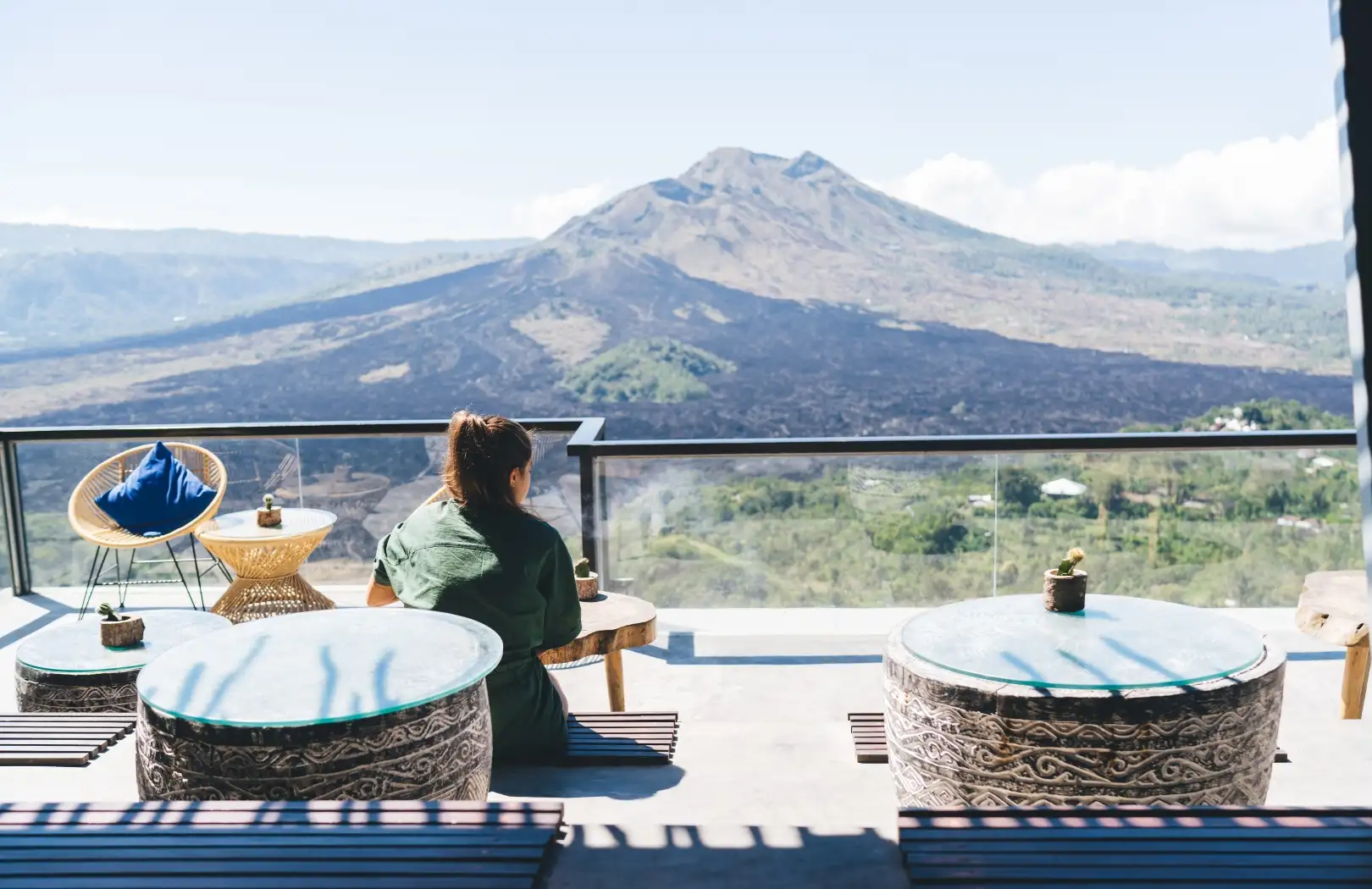
Kintamani is an excellent place to pause for lunch. Several restaurants overlook Mount Batur and Lake Batur, allowing guests to enjoy the scenery while resting after the morning’s cultural visits.
Weather conditions can change quickly in the mountains. On a clear day, the entire caldera may be visible, while passing clouds can create a softer and more mysterious atmosphere. Arriving before the late afternoon often provides a better chance of an open view, although mountain weather can never be guaranteed.
The cooler temperatures make Kintamani a refreshing stop. Travelers may wish to bring a light jacket, particularly during cloudy weather or after rain.
Beyond its scenery, the area is also associated with agriculture. The volcanic soil supports the cultivation of vegetables, fruit, and coffee in surrounding villages. Visitors who have more time may combine the viewpoint with a local coffee experience, natural hot spring, black-lava exploration, or Mount Batur sunrise activity on a separate day.
Discovering Bali’s Rice Terrace Landscape

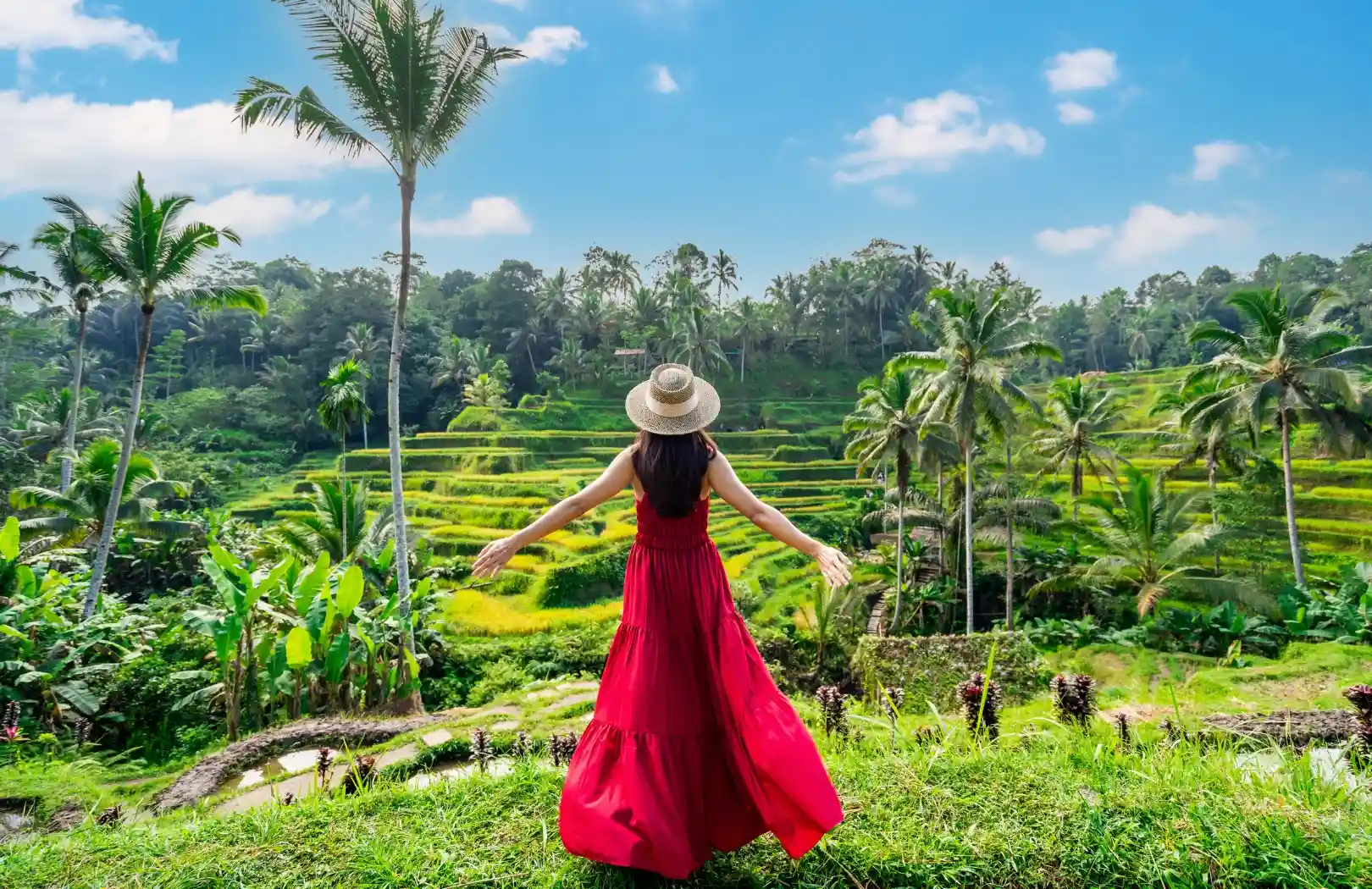
The final major destination is one of Bali’s famous rice terrace areas, often around Tegallalang or Ceking north of Ubud. Here, rice fields follow the contours of the valley in layered green steps, creating one of the island’s most recognizable rural landscapes.
The terraces are not designed only for tourism. They remain connected to traditional agriculture and the Balinese irrigation system known as subak. This community-managed system coordinates water distribution while reflecting the principle of harmony between people, nature, and the spiritual world.
Tegallalang’s paddies are arranged along the valley according to this traditional irrigation practice. Visitors can admire them from roadside viewpoints or walk along designated paths between the fields.
The appearance of the terraces changes throughout the agricultural cycle. At certain times they may be bright green, while at others they may appear newly planted, golden before harvest, or filled with reflective water. Each stage offers a different atmosphere.
Walking through the area allows visitors to notice irrigation channels, coconut trees, small field shelters, and farmers working within the landscape. Comfortable shoes are recommended because the paths can be steep, narrow, or muddy.
Travelers should remain respectful because many sections are privately managed farmland. Do not step on crops, enter closed paths, or photograph local people too closely without permission.
A Journey That Reveals Different Sides of Bali
What makes this itinerary special is the variety it offers within one day. The Barong Dance introduces traditional performance and spiritual symbolism. Goa Gajah provides a connection to Bali’s archaeological and religious heritage. Kintamani reveals the scale of the island’s volcanic landscape, while the rice terraces demonstrate how communities have worked with nature for generations.
Rather than feeling like unrelated stops, the destinations gradually create a broader understanding of Bali.
The dance shows how cultural values are expressed through performance. The temple reflects the island’s spiritual and historical depth. The mountain scenery demonstrates the power of nature, and the rice fields show how people have adapted to that environment through cooperation and traditional knowledge.
This combination makes the tour suitable for first-time travelers, couples, families, photographers, culture enthusiasts, and visitors who have limited time but want a meaningful overview of central Bali.
Practical Tips for the Tour
Starting early is recommended because the Barong performance follows a scheduled time and the journey to Kintamani can take longer depending on traffic.
Wear comfortable clothing and walking shoes. A sarong is normally required at Goa Gajah, while a light jacket may be useful in Kintamani.
Bring sunscreen, a hat, drinking water, personal medication, and a camera. The rice terrace paths can be slippery after rain, so walk carefully and follow designated routes.
Weather conditions may affect the mountain view. A cloudy day does not necessarily reduce the experience, but travelers should keep expectations flexible.
Avoid trying to add too many distant destinations. A well-paced itinerary provides more time to appreciate each stop instead of spending most of the day rushing between locations.
Explore Bali with Margaya Bali Tour
Margaya Bali Tour can arrange this journey as a private and personalized full-day experience. Hotel pickup and drop-off, comfortable air-conditioned transportation, and an English-speaking driver can be organized according to your accommodation area.
The itinerary can also be adjusted to include a preferred rice terrace, lunch location, coffee plantation, traditional village, waterfall, or other nearby attraction when time allows.
Private transportation provides greater flexibility than a large group tour. You can spend more time at the destinations you enjoy, stop for photographs, and travel at a pace that feels comfortable.
From the vibrant Barong Dance and sacred atmosphere of Goa Gajah to the unforgettable views of Mount Batur and Bali’s green rice terraces, this journey brings together many of the elements that make the island extraordinary.
Plan your cultural and scenic Bali adventure with Margaya Bali Tour and discover a day filled with meaningful traditions, peaceful landscapes, and memorable views.
Latest Article


Bali Tour Frequently Asked Questions
Margaya Bali Tour offers private Bali tour packages, Nusa Penida day trips, Mount Batur sunrise experiences, private car charter services, and one-way airport transfers with professional local drivers.
Yes. Our tours are private, allowing you to travel only with your partner, family, or group. This provides greater comfort, flexibility, and a more personalized Bali travel experience.
Yes. Private car charter services offer flexible itineraries based on your preferred destinations and booked duration. Fixed tour packages may also be adjusted when possible, depending on travel time and local conditions.
Inclusions vary by package. Most tours include private transportation, an English-speaking driver, fuel, parking fees, hotel pick-up and drop-off, and bottled mineral water. Some packages also include entrance tickets, meals, guides, or activity tickets.
Some all-inclusive packages include entrance tickets and meals, while transport-only tours may not. Please check the Include and Exclude sections of each package before booking.
Hotel pick-up is available from many popular Bali areas, including Kuta, Legian, Seminyak, Canggu, Sanur, Jimbaran, Nusa Dua, Ubud, and selected surrounding locations. Additional charges may apply for remote areas.
You can contact Margaya Bali Tour through WhatsApp and provide your travel date, hotel location, number of guests, preferred package, and any special requests. Our team will confirm availability and booking details.
Yes. We provide private one-way airport transfers between I Gusti Ngurah Rai International Airport and destinations across South, Central, North, and East Bali using small cars or Hiace vehicles.
Yes. Small cars are suitable for solo travelers, couples, families, and groups of up to four guests. Hiace vehicles are available for larger groups of approximately five to ten passengers.
Tour itineraries may be adjusted due to rain, sea conditions, traffic, temple ceremonies, or safety concerns. Our team will recommend the safest and most suitable alternative whenever possible.